Davina McCall’s Stand Up To Cancer return: the most important “live” TV of the year


- Davina McCall is back with Stand Up To Cancer, and this time it’s personal as well as painfully practical.
- Channel 4’s “Cancer Clinic: Live” swaps studio gloss for real consultations at Addenbrooke’s Hospital in Cambridge.
- McCall has spoken about a breast cancer diagnosis caught early, after a very small lump was removed.
- The campaign is also pushing a Screening Checker, with familiar faces doing the explaining so you actually click.
- It’s trending fast because it’s rare TV that isn’t trying to start an argument, sell a detox tea, or make you vote.
Davina McCall turns her return into something bigger than telly
A presenter who’s done the fun stuff chooses the hard stuff
Davina McCall has said it feels “super important” to be involved with Stand Up To Cancer again, especially after her own diagnosis was caught early. She revealed she found out in October, had the lump removed, and later spoke about how early diagnosis shapes everything that follows.
This is still celebrity news, but not the frothy kind that dissolves the second you blink at your phone. It lands because it’s McCall doing what she’s always done well: talking plainly, keeping the camera steady, and letting the moment have its weight.
Why the story is hitting UK feeds right now
The timing is doing its usual internet trick, where “live” turns into “everywhere all at once”. With Stand Up To Cancer programming on Channel 4 and the conversation spilling into social clips and next-morning headlines, it’s the sort of subject people share because it feels useful, not just loud.
And, yes, it’s also because the UK loves a shared TV moment when it isn’t a scandal. The national mood briefly agrees on something, which is basically a Christmas miracle with better lighting.
Cancer Clinic: Live puts the consultation room on camera
Channel 4’s bold move: showing the bit nobody posts
Cancer Clinic: Live was broadcast from Addenbrooke’s Hospital in Cambridge, with the programme built around real-time clinical appointments and patient stories. The premise is simple and slightly radical: show what happens behind the doors, without dramatising it into a plot twist.
It’s also a rare format that doesn’t pretend fear disappears if you buy the premium version. The whole point is to demystify the process and make “getting checked” feel less like stepping into a fog bank.
The cast is real life, and that changes everything
When the people on screen aren’t performing a storyline, viewers react differently. You can’t heckle a real consultation from the sofa, even if your group chat briefly forgets it has a conscience.
McCall also spoke about losing her sister Caroline after a late-stage lung cancer diagnosis, and why that experience makes early detection feel urgent. It’s the kind of detail that stops the scrolling thumb, because it’s a reminder that the stakes aren’t theoretical.
The Stand Up To Cancer night pulls in familiar faces without making it about them
Celebrity involvement, but aimed at a point, not a selfie
The wider Stand Up To Cancer night on Channel 4 brought together a presenting line-up including Adam Hills, Vicky Pattison, Clare Balding and Hannah Fry. The programming also leaned on recognisable formats and guests to keep people watching while the fundraising message stayed front and centre.
That balance is why it catches on. It’s entertainment industry machinery pointed at something constructive, which is not the default setting, but we’ll take it.
Why this doesn’t feel like “influencer charity season”
A lot of charity TV can feel like a sponsored hug, followed by a hard sell. This campaign has the advantage of being rooted in clear actions and clear information, which gives it credibility beyond the usual applause.
It also helps that the tone is not trying to be edgy about a serious subject. When the subject is cancer, the smartest move is to let sincerity do the heavy lifting.
The Screening Checker: celebrities doing the admin so you don’t have to
The campaign’s most shareable idea is also the most practical
Alongside the live programmes, the campaign launched a Screening Checker designed to help people understand which screening programmes they may be eligible for, including NHS and Northern Ireland’s Public Health Agency routes. It’s built to be quick, simple, and less intimidating than trying to decode eligibility rules at 11pm.
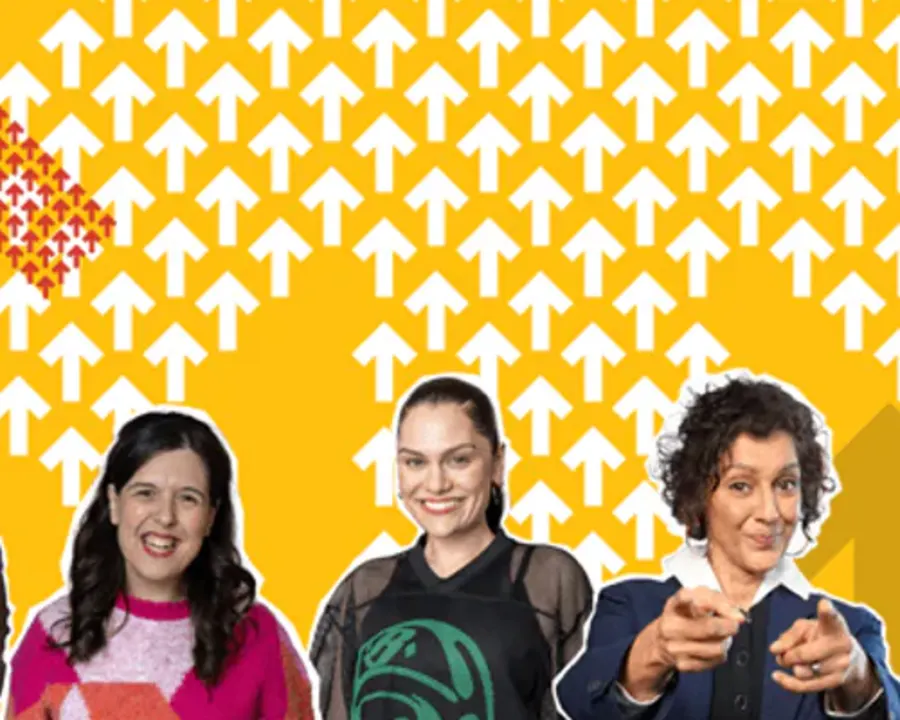
The clever bit is how it’s presented: familiar faces show up to explain, normalise, and nudge without sounding like a lecture. That includes names like Meera Syal, Jessie J, Rosie Jones, Hugh Bonneville, Kelly Holmes, Davina McCall and Krishnan Guru-Murthy.
Why this format actually works on UK social
The UK internet is excellent at ignoring instructions, so the trick is making the instruction feel like a favour. A checker that takes minutes, fronted by recognisable people, is more likely to be shared by someone who normally only forwards memes and “look at this dog” videos.
It’s also built for the moment: short clips, clear headlines, and a call to action that isn’t “argue in the comments”. In 2025, that’s basically innovation.
What happens next, and what viewers are watching for
McCall’s next steps are part of the wider conversation
McCall has spoken about having a short course of radiotherapy in January, described as an extra layer of reassurance after treatment. That detail matters because it’s the kind of real-world follow-on people wonder about, but don’t always hear explained.
It also keeps the story from being reduced to a headline. Real health journeys are rarely a neat “and then it was over”, and people respond to honesty about that.
Why this stays “trending” beyond the initial headline spike
It has multiple hooks that keep it moving: a major UK broadcaster, a recognisable presenter, a live format, and a practical tool people can share. Add the wider Stand Up To Cancer programming and you’ve got a story with repeat visibility, not just a one-hit spike.
Most importantly, it’s a conversation people feel good about amplifying. Not because it’s cheerful, but because it’s useful, human, and very hard to spin into nonsense.