William Rush dies aged 31: Waterloo Road star remembered as tributes pour in

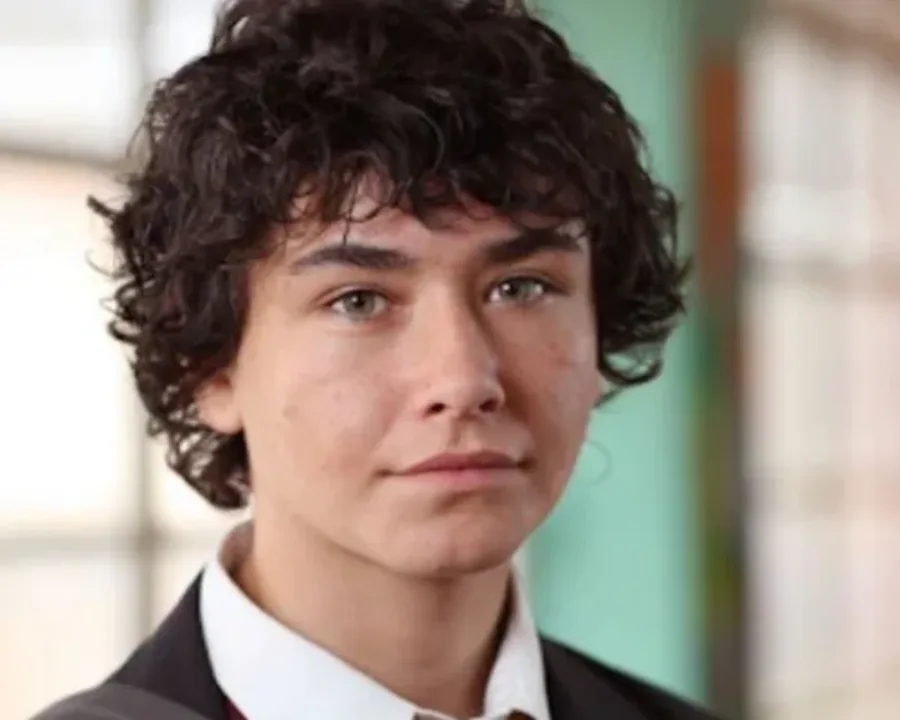


- News of William Rush’s death, aged 31, has hit UK TV fans hard and fast, with tributes surging across social feeds.
- His mum, Coronation Street actor Debbie Rush, shared a family message and asked for privacy as the family grieves.
- Rush was best known as Waterloo Road’s Josh Stevenson, a role tied to some of the show’s most talked about storylines.
- Posts are also focusing on the detail that he was an organ donor, described by his family as a final act of generosity.
- If you remember the John Fosters era like it was yesterday, you are not alone, and your algorithm knows it.
What’s been confirmed so far
The family announcement and the messages pouring in
William Rush, known to UK audiences for Waterloo Road, has died aged 31. The news was shared publicly through a tribute posted by his mum, actor Debbie Rush.
In the message, the family said he died on 17 December and described being “completely broken” by the loss. They also asked for privacy while they navigate what they called unimaginable grief.
The tribute included a detail that’s being widely repeated for a reason: William was an organ donor. The family said that, even in the darkest moment, he gave “hope and life” to other families.
On the UK TV circuit, condolences arrived quickly and loudly. Coronation Street and Waterloo Road colleagues posted messages of love and shock, and the comment sections turned into a candlelit vigil made of keyboard clicks.
Why Waterloo Road fans are reacting like it’s personal
Josh Stevenson was not a background character
Rush played Josh Stevenson during Waterloo Road’s era of big, character-driven swings. For many viewers, Josh wasn’t just “one of the kids”, he was one of the story engines.
His plots went beyond detentions and snarky corridor banter, with storylines that tackled identity, mental health, and the messy reality of growing up. It’s the sort of role that sticks because it arrived in living rooms weekly, like a mate who never took their blazer off.
Part of the intensity online is timing. Waterloo Road has lived multiple lives through repeats, clips, and streaming, meaning people are rewatching teenage years they didn’t even enjoy the first time.
When a show gets folded into your memories, the cast can feel oddly familiar. The grief isn’t “parasocial nonsense”, it’s what happens when nostalgia gets real and the screen stops feeling like a screen.
Rush’s wider TV footprint, beyond the school gates
From drama roles to a very public singing audition
Alongside Waterloo Road, Rush also appeared in other British TV projects across his career. He also made an on-screen appearance in Coronation Street, linking his work to the same ITV world many viewers already associate with his mum.
Another moment people are sharing today comes from The X Factor in 2016. Whatever you think of talent shows, they’re a uniquely British pressure cooker: equal parts opportunity, nerves, and a camera zooming in at the exact moment your soul tries to leave your body.
Clips and stills from that audition are doing the rounds again. It’s not about “going viral”, it’s about people reaching for something tangible to remember him by.
The Debbie Rush factor: sympathy, attention, and boundaries
When public grief meets public platforms
Debbie Rush is well known to UK soap audiences, particularly for Coronation Street. That visibility can bring support, but it also brings noise, and grief doesn’t need a press pack.
The family’s request for privacy is part of the story, not a footnote. If you’re sharing tributes, it’s worth keeping it human rather than turning it into a performance for the scrolling crowd.
It’s also why the tone online has been strikingly protective. Even the usual social media snark machine is, for once, behaving like it remembers what empathy looks like.
Why the organ donation detail is resonating so strongly
A legacy people can hold onto
In a week where the internet is mostly arguing about Christmas adverts and whether sequins are a personality trait, this part has cut through. The family’s words framed organ donation as a gift that helped other families, and that’s why people are repeating it with care.
There’s a difference between amplifying a message and exploiting it, and the line is simple: stick to what the family actually said. No speculation, no invented “reasons”, no amateur detective energy dressed up as concern.
If anything, the response shows what audiences still want from celebrity and TV news. Not endless hot takes, just a moment of shared respect, and a reminder that real lives sit behind familiar faces.