The Oscars are heading to YouTube in 2029 and UK awards nights may never look the same
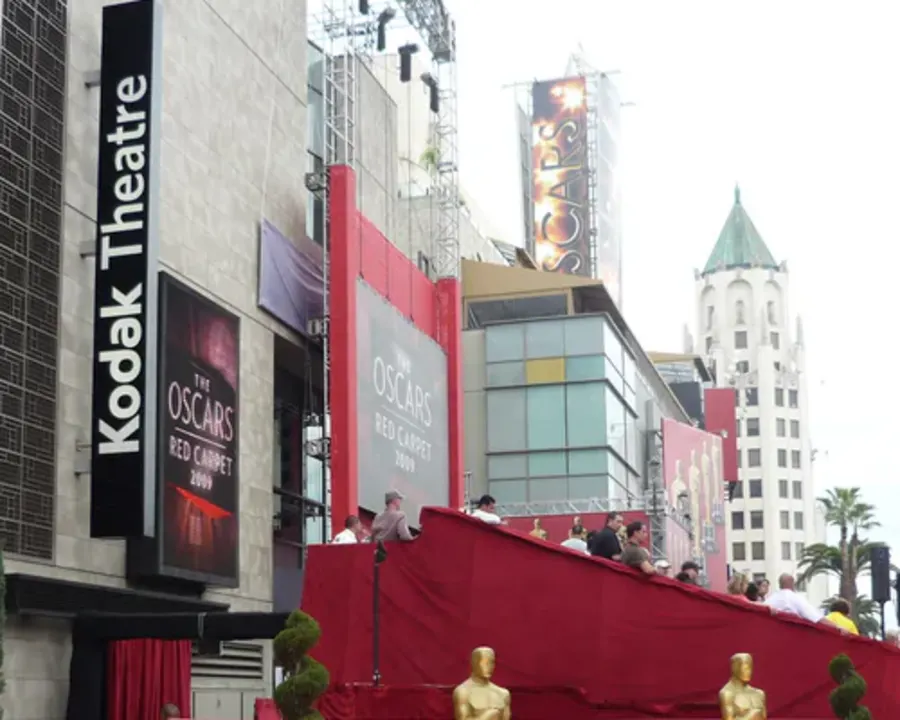



- The Academy says the Oscars will stream exclusively on YouTube from 2029, which is Hollywood’s way of admitting everyone watches clips anyway.
- UK viewers currently get the ceremony and red carpet on ITV1 and ITVX, but “global exclusive” suggests that cosy arrangement gets a hard refresh.
- The YouTube deal reportedly runs through 2033, and includes extra Oscars-adjacent broadcasts like nominations and Governors Awards.
- Expect more access, more interactivity, and more opinions delivered at speed by people who have watched half a trailer and feel spiritually qualified.
- The big question: will this make the Oscars bigger again, or just louder with a better chat function.
So what actually happened and why everyone is talking about it
The Oscars are leaving broadcast TV and choosing the internet’s main character energy
The Academy has announced that the Oscars will stream exclusively on YouTube starting in 2029. That’s a tectonic shift for a show that has lived on traditional broadcasters for decades, even while audiences quietly drifted to highlights, memes and minute-long “best dressed” verdicts.
The move is being framed as global reach and accessibility, which is true in the same way a motorway is “accessible” at 5pm. More people can get on, and you will definitely hear about it.
Why this is landing loudly in the UK
In the UK, recent Oscars coverage has been on ITV1 and ITVX, including live red carpet programming and the main ceremony. If YouTube holds exclusive global streaming rights from 2029, it raises a very obvious question about whether UK broadcast partners still have a seat at the table, or whether they become the pre-show warm-up act.
For British viewers, the Oscars is already a late-night endurance sport, so the idea of one-click streaming without hunting for the right channel sounds suspiciously like convenience. Naturally, the universe will try to charge us for it in a different way.
What YouTube exclusivity could look like for viewers
More access, fewer barriers, and a much noisier living room
If the ceremony is free to stream globally on YouTube as reported, that’s a big deal for casual viewers who never bothered with a TV package or a specific broadcaster login. It also makes the Oscars far more shareable in real time, which is basically oxygen for modern pop culture.
The flip side is that YouTube is built for reactions, and the Oscars is built for speeches. Those two species can coexist, but only if everyone agrees not to shout at the screen, which is not how humans work.
Red carpet coverage becomes a product, not just a prelude
Red carpet viewing has turned into its own mini-industry, especially in the UK where the ceremony time slot turns Monday into a caffeinated blur. A YouTube-first Oscars could push more official pre-show content, more behind-the-scenes streams, and more controlled access to clips that used to be scattered across broadcasters.
That is great for fashion fans and terrifying for anyone who enjoys having a single opinion per outfit instead of thirty. The Met Gala already proved that the internet can turn a dress into a national debate inside four minutes.
Multilingual audio and captions matter more than people pretend
One practical upside being discussed is improved accessibility, including closed captions and multiple language options. That’s not glamorous, but it genuinely expands who can watch comfortably, which is the sort of thing Hollywood loves right up until it requires effort.
For UK viewers, it also means fewer “why is the audio like this” moments when a broadcast feed does something odd. Streaming platforms usually handle that better, assuming your Wi-Fi is not powered by hope and two dusty routers.
What it means for ITV, UK broadcasts and the annual late-night ritual
ITV’s Oscars era has been a strong fit, but the deal changes the chessboard
ITV has recently positioned itself as the UK home of the Oscars, including the ceremony and red carpet coverage across ITV1 and ITVX. If YouTube becomes the exclusive global streaming home from 2029, the “home of the Oscars” line may need a new postcode.
That does not automatically mean UK broadcasters vanish from the conversation, because rights deals can get complicated fast. It does mean the centre of gravity moves from a scheduled TV night to an always-on platform that wants you watching something else immediately after Best Picture.
Will the UK still get a TV simulcast, highlights, or companion shows
Even with exclusivity, there are still ways broadcasters can participate, such as next-day highlights, commentary shows, or licensed companion programming. The Oscars is also a cultural event, and broadcasters like having cultural events, because they come with free headlines.
But the headline change is simple: the main feed would live where people already spend hours, which makes everything else feel secondary. In television terms, that’s like moving Glastonbury into your group chat.
Why the Academy is doing this now
Audiences have changed, and the Oscars wants to catch them in the act
Ratings and viewing habits have been shifting for years, with younger audiences far more likely to consume moments than whole broadcasts. YouTube is effectively the planet’s biggest clip machine, so the Academy is choosing the place where culture gets chopped into shareable bits.
It also gives the Academy more control over distribution and presentation. In plain English: fewer middlemen, more data, and a clearer route to new audiences who treat awards season like content rather than calendar.
It is also a statement about where “live TV” is going
Live events have been one of the last strongholds of traditional broadcasting, because people still like watching things together in real time. Moving the Oscars to YouTube is a signal that “live together” no longer has to mean “live on a TV channel”.
The Grammys, Emmys and Tonys will be watching this closely, probably while pretending they are not. Nothing motivates an industry like a rival doing something risky and surviving.
How this could change celebrity culture and fashion coverage
Expect more official clips, faster edits, and less time for myths to form
On YouTube, the official account can publish clips instantly, in full quality, with clean audio, and with the bits everyone actually wants. That can reduce the messy game of hunting for shaky uploads, while also shaping what becomes “the moment” of the night.
It also means celebrity PR teams will be operating in a new reality where a speech clip can do a million views before the afterparty has poured the first drink. Congratulations, you are now trending before dessert.
Fashion talk gets bigger, sharper, and more interactive
Red carpet fashion already trends globally, but YouTube makes it easier to package runway-level analysis for mainstream viewers. Expect more breakdowns, more side-by-sides, and more “this reference is genius” claims, even when it is simply a very nice dress.
UK audiences will still do what they always do, which is deliver brutally efficient opinions at a speed that would frighten a panel show producer. The difference is that the platform will encourage that behaviour, then politely recommend twelve more videos about it.
What to watch for between now and 2029
The transition years will be full of smaller clues
Before 2029 arrives, keep an eye on how much Oscars content starts appearing on YouTube in an official, coordinated way. If nomination announcements, Governors Awards coverage, and behind-the-scenes packages ramp up, that is the runway being built in real time.
Also watch what happens in the UK with coverage, because broadcasters will want to keep a foothold in awards season conversations. The Oscars may be moving platforms, but the UK loves a televised event, especially when it comes with sequins and mild outrage.
Will the Oscars feel bigger again or just more available
Availability does not automatically equal cultural dominance, but it helps. If the Oscars becomes easier to watch, easier to share, and easier to discuss, it has a better chance of feeling like an event rather than a niche midnight commitment.
Of course, the internet can also turn anything into background noise. The Academy is betting it can trade exclusivity for reach and still keep the magic, which is a bold plan that may require the universe to cooperate.
What UK viewers should do when the news hits your group chat
A practical mini-checklist for the next few awards seasons
If you watch for the speeches, you will want to track where the full live stream is available and what time coverage starts in the UK. If you watch for fashion and celebrity moments, you will want the red carpet feed, which is often where the best content lives anyway.
If you watch for the memes, honestly, you are already set. Your phone will alert you before the envelope is opened.